


 VNPTech.info@gmail.com
 Số 4, Ngõ 8, Phố Trần Quang Diệu, P.Ô Chợ Dừa, Q.Đống Đa, Tp. Hà Nội.
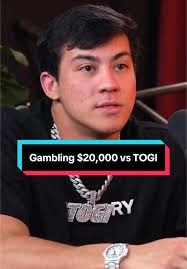
In a recent episode ofThe Iced Coffee Hour, influencer and betting content creatorTogirevealed that his most lucrative session came during high-stakesslot play- and that he went into the session expecting a considerable loss.
The remarks, provided casually, provide a rare glimpse into exactly how some influencer-led gambling web content might be monetarily structured – and raise questions around transparency and assumptions.
Sponsored slot have fun with obtained funds
Togi – well-known online as@togiboi- is a funded web content creator forRoobet, a crypto-focused online casino licensed in Curacao. His videos typically feature high-stakes port play, crypto discourse, and viral responses, attracting a growing target market on systems like YouTube, TikTok, and Kick.
While sponsorships in between casino sites and influencers are common, Togi’s remarks suggest a plan involvingaccess to debt. He mentioned borrowing from both Roobet and unrevealed Las Vegas gambling enterprises but did not offer information on limitations, repayment structure, or whether the setup is official.More Here togi At our site
A personal situation, however part of a wider conversation
Togi’s account applies especially to his very own scenario and should not be taken as agent of bigger sector practice. Still, it opens an appropriate conversation for the iGaming area: exactly how betting web content is funded, what customers are told, and exactly how partnerships in between drivers and developers are structured.
The line between personal gaming and promotional material is progressively obscured – particularly in crypto and overseas markets where advertising and marketing regulations are much less specified. When gameplay is backed by funds provided by the driver, target market understanding and transparencybecome crucial considerations.
What occurs if they shed?
Togi really did not specify on the precise terms of the plan or what takes place in case of a loss. When asked if he had to pay the money back, he replied just:’It’s trendy.’
When the podcast host followed up -‘Exactly how is that cool?’- Togi discussed:
‘Since guy, it’s like I’m 22 years old. My income is moderately high for my age. So I have a long period of time to figure [shit] out. I don’t reached secure prior to I’m old.’
There are no public information concerning payment assumptions, protections, or whether the funds are treated as financial obligation, sponsorship, or something else. In crypto-facing or unregulated atmospheres, such setups might run informally and without the consumer safeguards located in certified markets. Whether an influencer thinks real economic risk – or whether losses are absorbed by the brand – continues to be uncertain and most likely differs instance by instance.
Ramifications for responsible gambling
While we do not recognize the specifics of Togi’s arrangement – or just how typical such setups are – the concept of influencers betting with big borrowed amounts, particularly if undisclosed, increases importantresponsible betting inquiries. When visitors see designers betting millions, it can createunrealistic perceptions of riches, threat, and control, especially if the financial backing behind that gameplay isn’t explained.
In controlled markets, borrowing to gamble is heavily restricted to reduce harm. Where such restrictions don’t apply, drivers and material designers might bring even more obligation forensuring gambling web content doesn’t glamorize or stabilize dangerous economic behavior, specifically to more youthful or impressionable target markets.
Market representations
Togi’s short comments provide an unusual explore just how a minimum of one influencer’s gaming web content is financed – with sponsor-provided debt instead of individual money. While the plan shows up casual, it discuss a number of themes now emerging across the iGaming sector: moneying openness, target market perception, and the advancing function of material developers in casino advertising and marketing.
As influencer-led gaming remains to scale, instances like this may prompt broader discussion around disclosure standards, liable betting methods, and the monetary structures behind the material.
 0828.114.114